
Flatsrater

Flatsrater: Bringing Transparency to the Rental Market
Flatsrater started from a very simple frustration: renting in London can feel like gambling with your life savings.
I moved 8 times within London, and every time I saw the same problem. You only really discover the truth about an apartment after you move in. Noise, mould, heating problems, bad landlords, hidden costs, weird neighbours, broken lifts, poor management - all the things that somehow never make it into the glossy listing photos.
For anyone from the US reading this: yes, in the UK we usually say “flat”, but “apartment” sounds more international and slightly less like something you need to fix with a tyre pump.
The Problem
The rental market has always been weirdly one-sided.
Landlords and agents know the history of the property. Previous tenants know what it was actually like to live there. But the next tenant usually knows almost nothing.
That never made sense to me.
Before signing a contract and committing thousands of pounds, people should be able to see real experiences from previous renters. Not marketing copy. Not estate agent language. Real information from people who actually lived there.
Building Flatsrater
That is why I built Flatsrater.
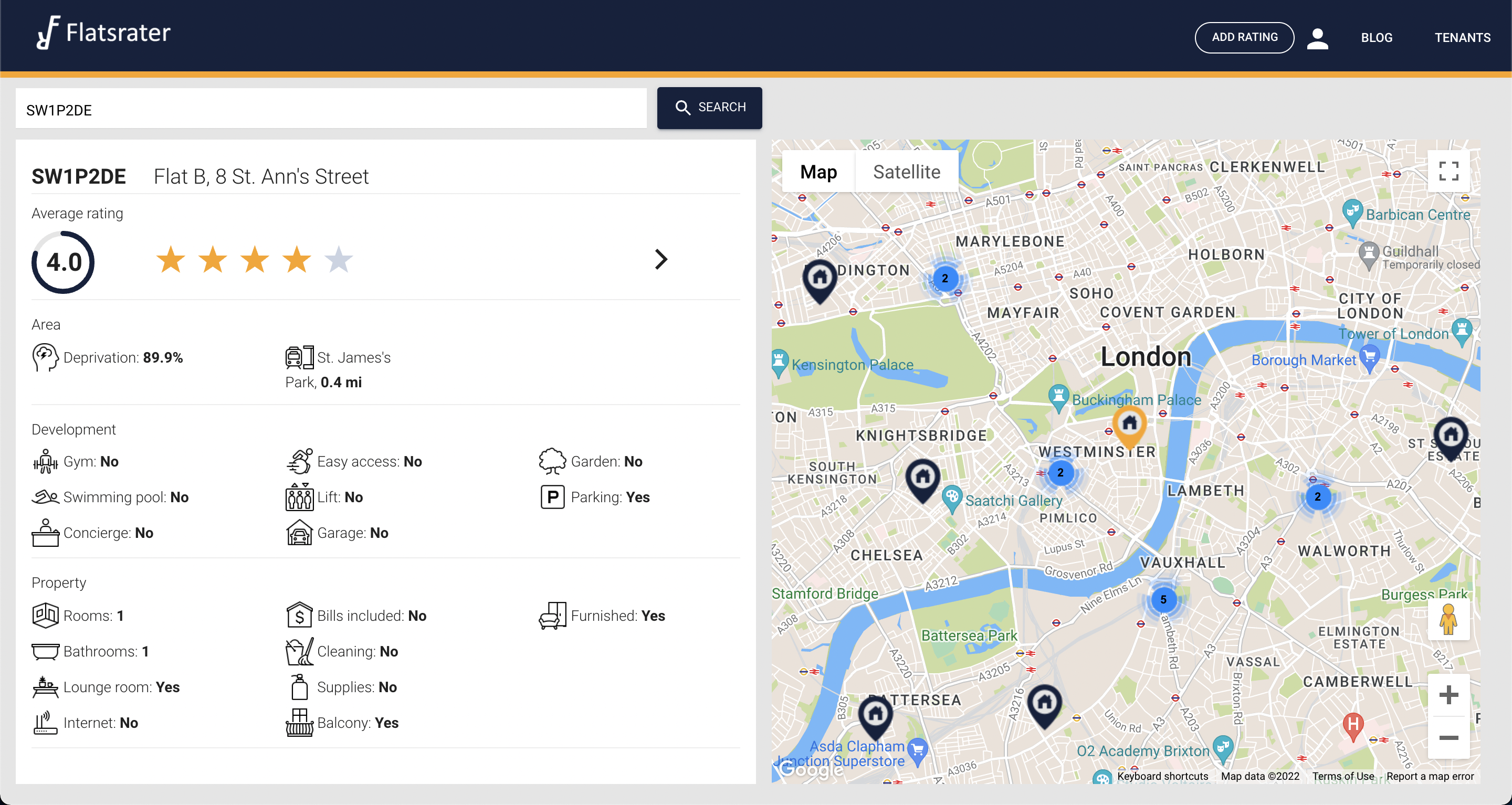
The idea was to create a tenant-focused platform where renters could share honest reviews and reports about apartments they had lived in. The goal was simple: help people make better decisions before committing to their next home.
Flatsrater was not just another PropTech idea for the sake of it. It came from a real problem I personally experienced many times.
I wanted to give renters something they rarely have: confidence.
Confidence that they are not walking blindly into a bad property. Confidence that they can ask better questions. Confidence that they can negotiate based on facts, not guesses.
Real Tenant Value
One user summed it up perfectly:
“I read the report about problems with the apartment before renting and negotiated a good rental price! I love it! Funny when you know the truth and ask landlord to tell you about the issues, haha.”
That was exactly the point.
When you know the truth before signing, the balance of power changes. You can ask the landlord directly about known issues. You can negotiate better. Or you can simply walk away before it becomes your problem.
Why It Matters
Renting a home is one of the biggest financial decisions people make, yet the information available to renters is usually terrible.
You get some photos, a short description, maybe a rushed viewing, and then you are expected to make a decision worth thousands of pounds.
Flatsrater was built to change that.
The platform was about making rental decisions more transparent, more informed and more fair. It gave tenants a way to learn from each other, rather than repeating the same painful mistakes in silence.
What I Took From It
Flatsrater reflected the way I think about technology.
The best products do not need to sound complicated. They need to solve a real problem.
For me, this was about using software to make everyday decisions easier and fairer. Renting should not depend on luck, vague promises or whether the agent “forgot” to mention the noisy boiler above your bedroom.
Flatsrater was my attempt to make the rental market a little more honest, one apartment review at a time.